
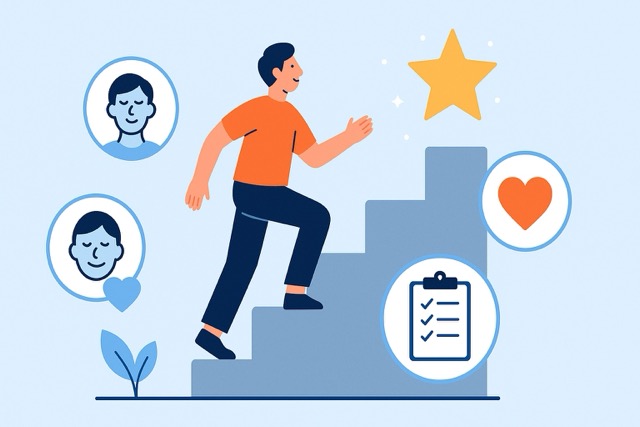
Success looks different for everyone. For some, it’s building a profitable business; for others, it’s about finding peace, improving health, or building lasting relationships. What matters is that your definition of success reflects what you value—not what someone else expects of you. That’s where personal development comes in. You’re not born with a fixed set of habits, skills, or attitudes. You have the ability to grow, adapt, and improve in ways that support a more satisfying life. This article walks you through practical strategies to help you shape your goals, sharpen your focus, and move forward with purpose.
Start With Goals That Actually Matter to You
You’re more likely to stay motivated if your goals are meaningful. That doesn’t mean they have to be big or impressive—it means they have to matter to you. Instead of vague ambitions like “be successful” or “get in shape,” turn your goals into something you can measure and track. Want to finish a book every month? Run three miles without stopping? Save up for something specific? Those are real goals, not wishful thinking.
Stick with goals that fit the SMART model: specific, measurable, attainable, relevant, and time-bound. When you can track your progress and see small wins, your confidence grows. And if your goals stop fitting your values, don’t hesitate to adjust them. It’s your life. Let your goals reflect where you’re headed—not where you used to be.
Focus on a Growth Mindset, Not Just Talent
No one is born with all the skills they need. Whether you’re trying to get promoted, learn a new instrument, or navigate relationships better, you’re going to need some trial and error. That’s where a growth mindset comes in. It’s the belief that you can improve through effort, not just natural ability.
Mistakes aren’t signs you should stop—they’re signs you’re doing the work. If you treat setbacks like failures, you’ll burn out fast. But if you treat them as part of the learning process, you stay flexible and motivated. When something goes wrong, ask what you can learn from it. That single question can shift your attitude and help you bounce back stronger.
Make Time for Your Mental and Physical Health
You can’t focus on long-term growth if you’re running on empty. Physical and emotional health isn’t just important—it’s foundational. Poor sleep, bad eating habits, and chronic stress will drag down your motivation, energy, and clarity. You don’t need a perfect routine, but you do need consistency.
Build a routine that includes movement, rest, and mindfulness. Maybe that means a morning walk, a regular sleep schedule, or five minutes of journaling before bed. Maybe it’s just turning off your phone for an hour. The goal is to create habits that support your energy instead of draining it. When your body and mind are in sync, personal development becomes a lot more manageable.
Keep Learning Even When You’re Not in School
Learning doesn’t stop after graduation. If you want to stay sharp and adaptable, make learning a part of your routine. That could mean reading books, taking short courses online, watching instructional videos, or joining workshops. The more you expose yourself to new ideas, the more creative and resourceful you become.
You don’t need to chase every trend or collect certifications like trophies. Focus on what interests you or supports your next step. Want to learn coding, photography, financial literacy, or leadership? There’s no shortage of resources. Make curiosity your compass. When you follow what sparks your interest, learning becomes less of a task and more of a habit.
Build Better Awareness of Emotions
You can’t control every situation, but you can control how you react to it. That starts with emotional intelligence—knowing what you feel, why you feel it, and how those feelings affect your decisions. Emotional awareness helps you build stronger relationships, reduce stress, and make clearer choices under pressure.
Practice recognizing your emotional patterns. When you’re angry, anxious, or overwhelmed, slow down. Ask yourself what triggered the feeling and what response would actually help—not just what feels good in the moment. Over time, you’ll get better at managing your reactions instead of letting them manage you. That’s a skill you’ll use every day in work, relationships, and personal goals.
Use Gratitude to Stay Grounded
You don’t have to be wildly optimistic to benefit from gratitude. Simply paying attention to what’s going well can shift your outlook. It reminds you that even on hard days, something good is still happening. Gratitude helps you stay grounded and keeps your progress in perspective.
Try writing down three small wins at the end of each day. Maybe you met a deadline, had a good conversation, or just got through a tough task. These reflections build emotional resilience and help you stay motivated, especially when progress feels slow. Gratitude doesn’t fix everything, but it helps you recognize the value of what you already have while you work toward more.
Build Stronger Relationships That Support Your Growth
You don’t grow in isolation. The people around you play a big role in shaping your mindset and habits. That’s why it’s important to invest in relationships that encourage, challenge, and support you. Look for people who believe in your goals—and be that kind of person for others too.
Keep in touch with friends and mentors who inspire you. Reach out regularly, not just when you need something. Listen more. Encourage others. Share your progress and your struggles. Strong relationships give you perspective, emotional support, and accountability. They’re not just good for your career or social life—they’re key to long-term happiness.
Bounce Back Without Losing Yourself
Success doesn’t mean never falling—it means knowing how to get back up. Life will throw setbacks your way. The difference between someone who keeps going and someone who quits often comes down to one word: resilience. That’s not a natural trait. It’s something you build over time.
Resilience comes from preparation, mindset, and experience. When things go wrong, don’t rush to fix everything instantly. Step back. Give yourself space to feel it, then ask what the next small step looks like. You don’t need to have it all figured out. You just need to keep moving forward, even when the road gets messy.
Check In With Yourself Regularly
You’re not the same person you were five years ago. Your definition of success probably changed too. That’s why regular self-reflection matters. Set aside time to review your habits, goals, and values. What’s working? What’s draining you? What’s missing?
Journaling, silent walks, digital detoxes—whatever helps you think clearly, do that regularly. Reflection helps you see when you’ve drifted off-course and when it’s time to pivot. It’s not about perfection. It’s about staying aware and making small adjustments so your life feels aligned—not reactive.
Key Personal Development Strategies That Work
- Set specific, meaningful goals
- Keep learning new skills
- Take care of your physical and mental health
- Practice emotional awareness
- Use gratitude to build optimism
- Invest in meaningful relationships
- Reflect regularly and adjust your path
In Conclusion
You don’t need a dramatic transformation to create a fulfilling life. You need consistent effort, clear priorities, and the courage to choose growth over comfort. By setting meaningful goals, investing in your health, continuing to learn, and surrounding yourself with the right people, you create a path that’s built on substance—not appearances. And as you keep checking in with yourself, you’ll find that your version of success becomes more rewarding—because it’s yours, not someone else’s.
Explore the professional background and activities on this Crunchbase profile: Learn more about their career and connections.

Michael E Weintraub is an attorney and founder of the Law Office of Michael E. Weintraub, LLC in Neptune, NJ. With over 25 years of experience in trials, estate planning, and estate administration, he is known for delivering client-focused legal solutions with integrity and precision.