
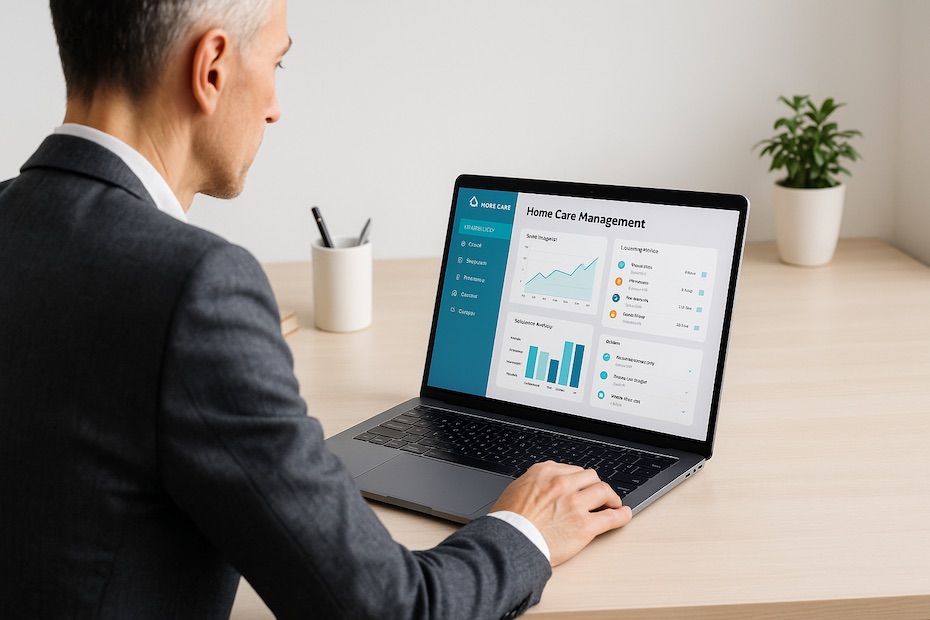
You can support aging in place effectively when you rely on software that strengthens caregiver coordination, safety monitoring, documentation, and family communication. These platforms give you the operational structure needed to deliver consistent, high-quality home-based care.
You’re about to walk through the tools, capabilities, and workflow advantages that matter most when managing aging-in-place services. You’ll also learn how six leading solutions help you streamline tasks, monitor older adults remotely, and maintain a scalable care model built for reliability and long-term independence.
What features matter most in aging-in-place management software?
You need software that strengthens safety, communication, and operational consistency. Your caregivers depend on clear scheduling, mobile documentation, and reliable tools to track every visit. When your team has structured workflows, you avoid missed steps and protect your clients from preventable risks.
Remote-monitoring features also play a critical role. Fall alerts, inactivity patterns, medication reminders, and wellness checks reduce uncertainty for both families and care teams. When the system notifies you early, you intervene before an issue turns serious. This level of visibility is what modern aging-in-place programs rely on.
You also want a communication channel that keeps families engaged. When they view updates, care notes, and visit reports, your work becomes more transparent. It builds confidence and reduces unnecessary interruptions because relatives can see real-time progress rather than constantly checking in.
Why is technology adoption accelerating across home-based care?
Aging-in-place programs have expanded because older adults prefer to remain in their homes as long as possible. With mobile caregivers, remote monitoring, and digital care plans, you can now support them safely without requiring facility-based oversight. This shift has made technology an essential part of service delivery.
You’re also navigating staffing pressure. Efficient scheduling, optimized routing, and automated reminders reduce the load on your internal team. When you scale, software prevents your operations from becoming chaotic or dependent on manual tracking. This is especially important when running multiple service lines.
Your clients’ families expect digital access as well. They want to check updates, confirm medication adherence, and stay informed. Meeting this expectation enhances your brand trust and reduces your administrative time spent answering repetitive questions.
1. AlayaCare
AlayaCare is built for agencies supporting both personal care and skilled care. You can track every phase of client service—from intake to ongoing monitoring—inside a single cloud platform. Its depth makes it ideal when your program includes multiple disciplines such as nursing, therapy, and personal-care visits.
Caregivers benefit from the mobile app, where they log tasks, submit notes, and confirm care-plan steps. Each update appears instantly on your dashboard, giving you an operational view of compliance and visit quality. This helps you identify issues early rather than after they compound.
You also gain remote-monitoring capability, which strengthens safety for older adults living alone. When you balance in-home care with sensor-based visibility, your program delivers stronger reliability with fewer emergency escalations.
2. WellSky Home Health
WellSky focuses on high-volume home-care operations. If your team manages a large number of visits daily, you’ll appreciate its scheduling engine, EVV tools, route optimization, and integrated billing. These tools keep your workforce organized and reduce time lost to avoidable administrative tasks.
Each caregiver receives mobile access to their schedule, tasks, and documentation prompts. This reduces errors and improves real-time accuracy. When caregivers complete notes immediately after visits, your compliance and quality metrics improve.
WellSky also supports multi-disciplinary services. If your model covers personal care, therapy, and nursing, this platform helps you align documentation and maintain consistent standards. It performs well when your operation needs structure and predictable routines.
3. CaseWorthy for Aging Services
CaseWorthy is designed for organizations supporting a broad ecosystem of aging-in-place services. If your program includes home-delivered meals, transportation, wellness visits, case management, and caregiver support, you benefit from having all services connected in one system.
You can maintain a unified client profile that tracks every service a client receives. This strengthens your ability to measure outcomes and identify gaps. When you coordinate community-based support with in-home care, your clients receive more complete and personalized care.
Families benefit as well because the platform allows clear tracking of activities and progress. When people see how many services their loved one receives, it enhances trust and reduces communication friction.
4. Caily
Caily emphasizes the client and family experience with a simple, app-based ecosystem. Older adults use it for task reminders, medication cues, scheduling, and communication. Families log in to monitor updates and confirm tasks have been completed.
You gain a reliable way to support independence. When a client receives medication reminders or confirms tasks on their device, your caregivers spend less time following up manually. This reduces risk and strengthens engagement.
For clients who live independently with light support, Caily helps you maintain connection without requiring constant phone calls or in-person check-ins. It gives you a supplemental layer of visibility.
5. AxisCare
AxisCare is strong for agencies with high caregiver activity and large visit volumes. You get scheduling, caregiver apps, billing, EVV, and reporting in one system. This reduces your reliance on multiple tools that don’t integrate well.
Dashboards give you visibility into caregiver performance, visit compliance, and client acuity. You make better staffing decisions because you see productivity patterns and can adjust workloads accordingly. When your workforce grows, this clarity becomes essential.
Your caregivers benefit from structured workflows. The checklists and prompts keep tasks predictable and consistent, reducing errors and helping new caregivers get up to speed.
6. Connecteam
Connecteam excels in non-clinical home-based services. If your aging-in-place model includes transportation, home modification, social visits, or companion care, this tool gives you flexible scheduling and task management.
Its mobile app lets staff clock in, receive assignments, track progress, and submit documentation. You maintain oversight even when your team works across multiple homes throughout the day. This structure reduces inefficiencies and prevents missed tasks.
Connecteam works well when your program includes non-traditional services beyond personal care. If you support older adults with wellness checks, home safety tasks, or community support, this platform gives you the flexibility to organize those workflows.
Key advantages you gain when implementing aging-in-place software
Operational Improvements
- More reliable scheduling
- Fewer missed visits
- Faster documentation
- Better caregiver accountability
Client and Family Experience
- Greater transparency through portals
- Stronger engagement with reminders and updates
- Higher satisfaction with clear communication
Safety and Monitoring
- Earlier detection of changes in behavior
- Alerts that inform care-plan adjustments
- Remote oversight that reduces emergency risk
Growth and Scalability
- Better team coordination
- More efficient workflows
- Ability to support more clients without overloading staff
These outcomes give you a stronger foundation for long-term aging-in-place success.
How to implement your chosen software effectively
Start with workflow mapping. You need clarity on your current intake, scheduling, documentation, and communication steps before you introduce a platform. When you understand your process, you select software that supports—rather than disrupts—your daily routines.
Train your team thoroughly. Caregivers must know how to use mobile tools, complete digital checklists, and submit notes. The smoother their adoption, the clearer your documentation and results will be. Technology only creates value when your team uses it consistently.
Measure your results. Track completion rates, client safety alerts, caregiver performance, and workload efficiency. Use these insights to refine your operations and strengthen your aging-in-place model over time.
What software features support aging-in-place programs?
- Caregiver scheduling and mobile visit logging
- Remote monitoring and safety alerts
- Family communication and portals
- Documentation and billing tools
Empower Independent Living Through Smart Home-Care Technology
You can deliver safer, more reliable aging-in-place services when your program is supported by the right software. Each platform strengthens coordination, improves monitoring, and helps older adults remain independent with structured support. When you adopt a system that fits your service model, your caregivers operate with clarity, your clients stay protected, and your operations scale without chaos.

Michael E Weintraub is an attorney and founder of the Law Office of Michael E. Weintraub, LLC in Neptune, NJ. With over 25 years of experience in trials, estate planning, and estate administration, he is known for delivering client-focused legal solutions with integrity and precision.